Water damage can strike when you least expect it, leaving your home at risk and your assurance trembled. Can families stay in their homes during crime scene cleanup need to act rapidly to minimize damage and stop mold growth. Understanding the essential steps for repair and avoidance is vital. So, how do you evaluate the degree of water damage in your home? And what proven techniques can you employ to stop mold prior to it takes hold? Allow's explore these essential approaches.
Secret Tips for Water Damages restoration
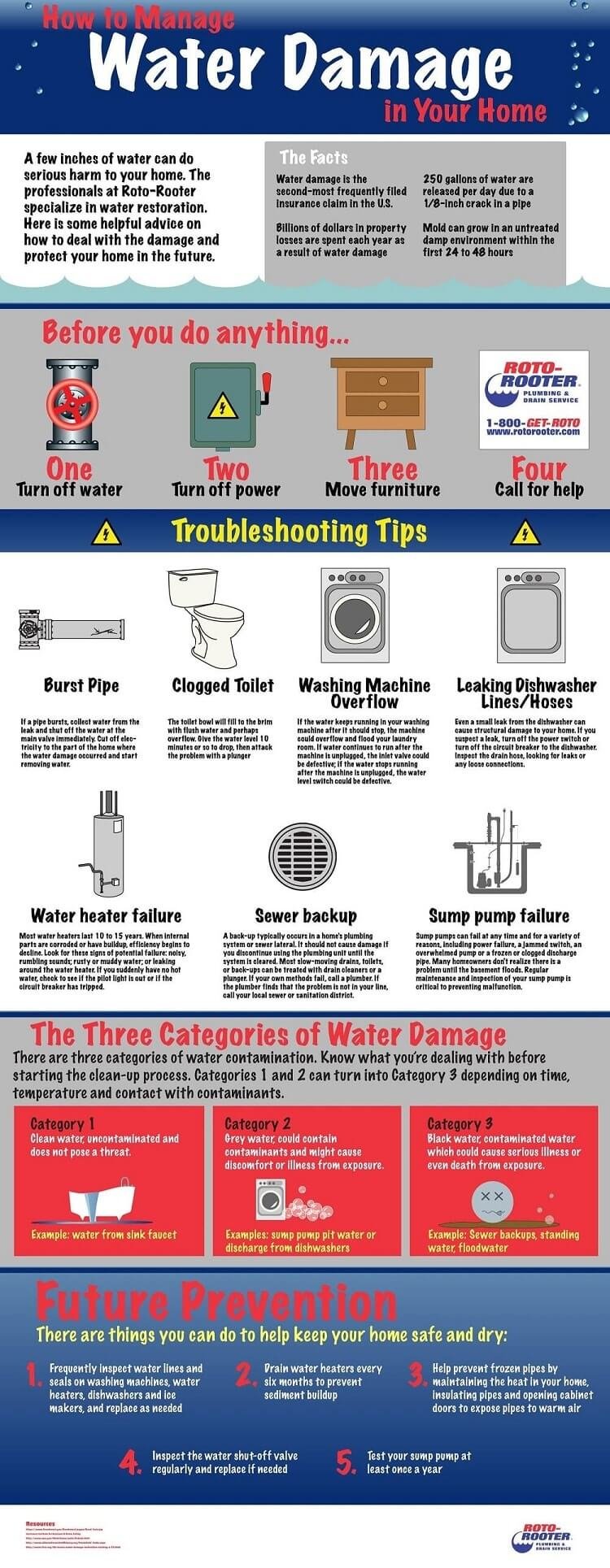
When dealing with water damages, there are 5 essential steps you require to adhere to for effective repair.
First, ensure your safety and security by switching off the electrical energy and using protective gear.
Next, quit the resource of the water leak to avoid further damage.
After that, get rid of standing water making use of pumps or wet vacs; the quicker you act, the better.
When the area is dry, concentrate on thoroughly drying out materials like rugs, furniture, and walls to prevent mold and mildew growth.
Lastly, examine the location for any kind of signs of sticking around dampness or damage.
If you're unclear about fixings, think about seeking advice from a specialist to make sure every little thing's brought back properly and safely.
Each step issues in returning your home to its pre-damage condition.
Just How to Evaluate Water Damages in your house?
Exactly how can you effectively analyze water damage in your house? Start by aesthetically evaluating areas like ceilings, walls, and floors for discoloration or bending.
Check for any kind of damp places or peeling off paint, as these usually signal surprise wetness. Do not neglect to analyze your basement and crawl rooms, where water often tends to gather.
Next off, utilize a moisture meter to measure degrees in dubious locations; anything over 15% suggests prospective problems.
Listen for helpful resources of dripping or running water, which can indicate leaks.
Lastly, odor for musty smells, a sign of mold and mildew development. Paper your findings with photos and notes to help guide subsequent repair initiatives.
Taking contaminant removal will certainly give you a clear image of the damages.
Proven Techniques to Quit Mold Development After Water Damage
After analyzing the water damages in your house, resolving potential mold development is important. Begin by eliminating any type of standing water right away, as mold grows in damp problems.
Use dehumidifiers and followers to dry affected locations within 24-48 hours. Do not neglect to check hidden spaces, like behind wall surfaces and under carpetings, since dampness can stick around there.
Next, clean surface areas with a mix of water and cleaning agent, and think about utilizing a mold-killing solution for added security.
Seal any kind of leaks to stop future water breach. Finally, keep an eye on moisture levels-- go for below 50% to dissuade mold and mildew development.
Verdict
By taking swift activity to address water damages, you can shield your home and family members from severe issues. Frequently evaluate your residential property and usage dampness meters to capture concealed troubles early. Bear in mind, drying influenced areas extensively is vital to preventing mold growth. With these steps, you'll not only minimize repair prices yet additionally maintain your home's stability. Keep aggressive, and you'll maintain your area risk-free and healthy for many years to find.